Home › Forums › 20th Century › Denishawn House Set to be Demolished
- This topic has 4 replies, 2 voices, and was last updated 4 weeks ago by
jbakerjonathan.
-
AuthorPosts
-
-
August 13, 2026 at 5:01 pm #5382
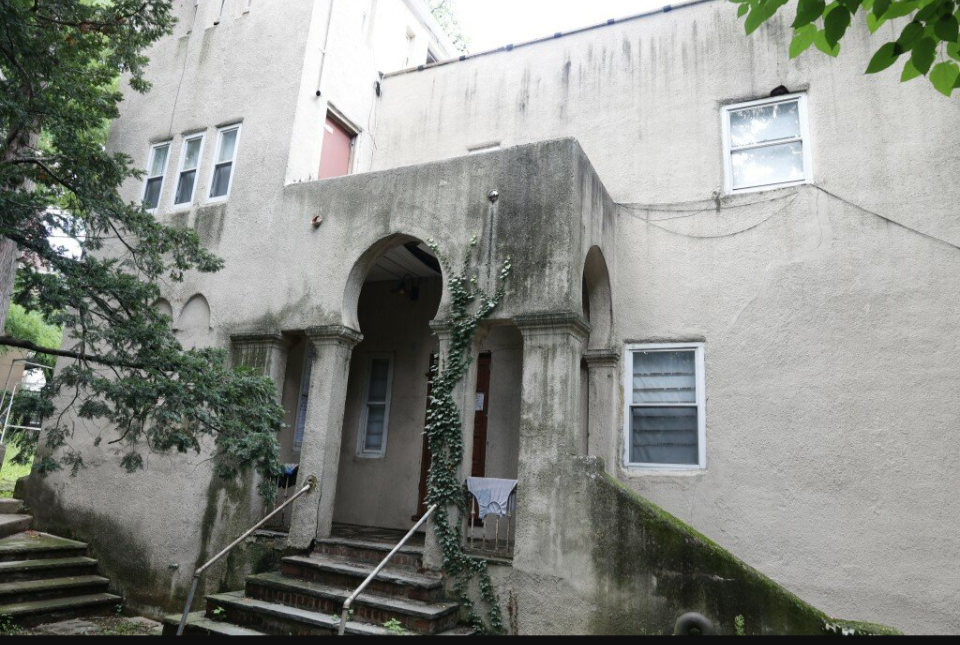
Here is a link to the story in the Riverdale Press: Denishawn House in Van Cortlandt Village set for demolition despite landmark push.
-
August 13, 2026 at 5:08 pm #5384
I did some research on Denishawn House and will post more here soon.
-
August 17, 2026 at 5:10 pm #5391

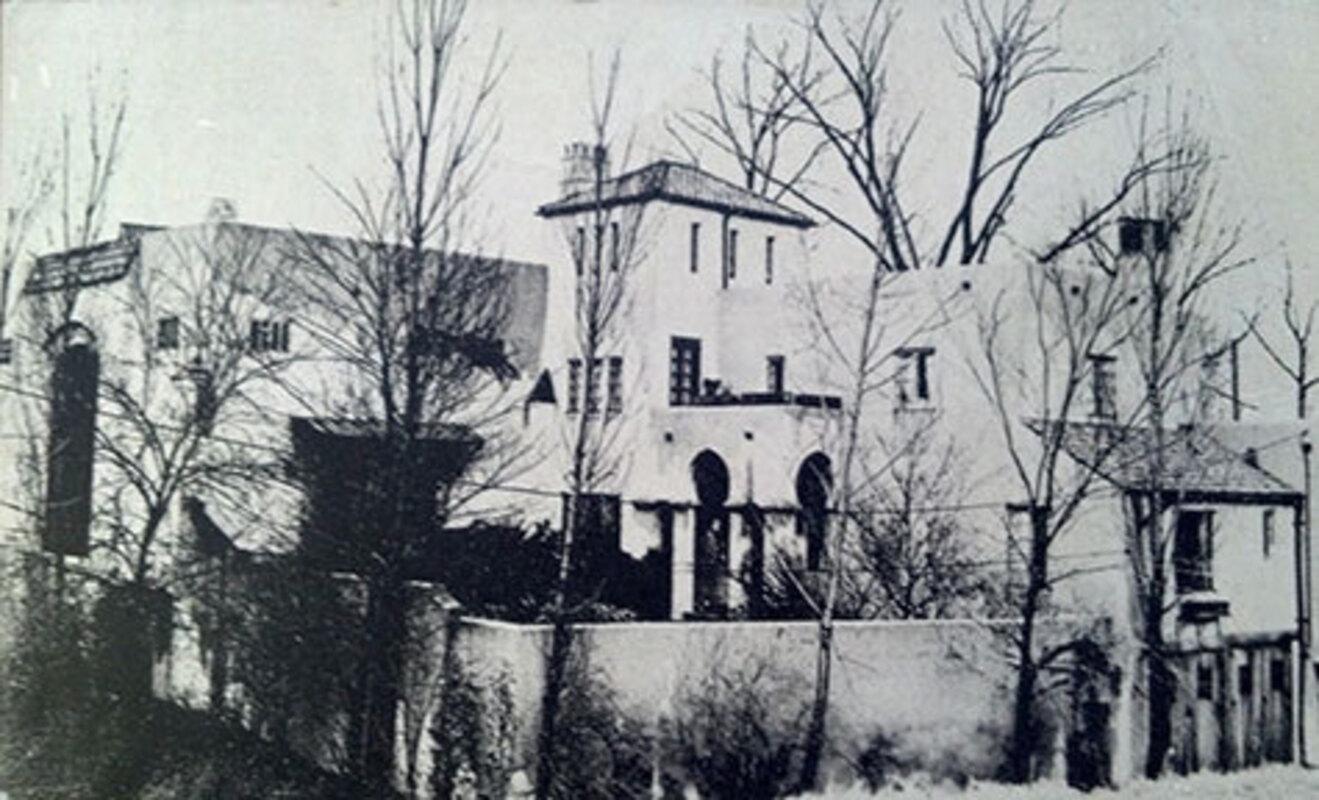

Two historical images from around 1928
-
August 17, 2026 at 5:34 pm #5392
The Request for Evaluation to NYC Landmarks Commission, dated July 25, 2025https://hdc.org/wp-content/uploads/2026/07/RFE-for-Denishawn-House_-67-Stevenson-Place-Bronx_July-2025-2-1.pdf
July 25, 2025
Sarah Carroll, Chair
Margaret Herman, Director of Research
NYC Landmarks Preservation Commission
253 Broadway, 11th Floor
New York, NY 10007
Re: Request for Evaluation of the Denishawn House, 67 Stevenson Place, The Bronx, as an Individual
LandmarkDear Chair Carroll and Dr. Herman,
HDC’s Bronx Preservation Committee recommends Individual Landmark status for The Denishawn House.
We offer this statement of significance as part of the Individual Landmark RFE.The Denishawn House, located at 67 Stevenson Place in the Bronx, is an architecturally distinctive and culturally
significant building. Built in 1927 and designed by Ninian Jamieson, this Mediterranean Revival-style residence
and studio served as the home and artistic center for Ruth St. Denis and Ted Shawn, founders of the influential
Denishawn School. Often considered the birthplace of American modern dance, the Denishawn School trained many pioneering figures, including Martha Graham, Doris Humphrey, Charles Weidman, and Jack Cole. Denishawn House stands as the only surviving physical site associated with this legendary institution, making it a rare and irreplaceable link to a transformative era in the history of American performing arts. Due to its significance and current vulnerability to redevelopment, landmark designation would offer meaningful and necessary protection.INITIAL DEVELOPMENT
Denishawn House was constructed in 1927 specifically as a residence and studio for dancers Ruth St. Denis
and Ted Shawn, who sought a permanent base for their growing dance school and company, Denishawn.
Having achieved financial success from national touring and performing in shows such as the Ziegfeld
Follies, the couple invested in this Bronx property to fulfill their vision of a dedicated dance campus.
Situated near Van Cortlandt Park and the Jerome Park Reservoir, the site offered a peaceful yet accessible
location outside of bustling Manhattan, ideal for immersive artistic practice. The new facility opened the
same year, combining residential quarters, administrative offices, and specialized spaces for dance classes,
rehearsals, and performances.ARCHITECT
The architect and contractor behind Denishawn House was Ninian Jamieson, a Scottish-born builder and
architect who emigrated to the United States in 1904. Jamieson was known primarily for his extensive
residential work in the suburban areas around Yonkers, New York, where he constructed over 280 homes by the
early 1920s. His expertise was especially strong in developing attractive yet functional residential
properties. At Denishawn House, Jamieson skillfully merged a residential layout with specialized features
needed for dance and theater production. His design, characterized by white stucco walls, decorative arches, a distinctive central tower, and Mediterranean Revival elements, was innovative, notably including a double-height dance studio and a large arched garage that accommodated trucks delivering scenery, making Denishawn House one of America’s earliest purpose-built dance studios.NOTABLE HISTORY, PEOPLE AND FEATURES
Denishawn House holds cultural significance as the primary New York location of the Denishawn School of Dancing and Related Arts, widely regarded as America’sfirst major institution dedicated to modern dance. Founded in 1915 by Ruth St. Denis and Ted Shawn, Denishawn revolutionized American dance by promoting a broad , inclusive curriculum that blended ballet with diverse international dance styles and expressive movement. From 1927 to 1934, Denishawn House served as the vibrant artistic and residential hub of this influential school, attracting groundbreaking dancers like Martha Graham, Doris Humphrey, Charles Weidman, and Jack Cole, who trained, taught, or choreographed foundational works at this site.Significantly, Denishawn House is deeply tied to LGBTQ history, primarily through its co-founder, Ted
Shawn. Shawn, widely considered the “father of American dance,” grappled privately with his identity as a gay
man. While initially married to Ruth St. Denis, Shawn eventually embraced his sexuality more openly following
their personal and professional separation in 1931. His subsequent work prominently reflected this identity; notably, Shawn established an influential all-male dance company and founded the Jacob’s Pillow Dance Festival in Massachusetts, a historic cultural institution that became an earlysanctuary for LGBTQ artists and dancers.Denishawn itself cultivated an environment that, even subtly, welcomed LGBTQ artists and students during a
period when openly acknowledging such identities was rare. Dance historian accounts suggest that the inclusive,
expressive ethos promoted by Denishawn provided many artists a supportive community. The house symbolizes
an early moment in LGBTQ artistic history in New York City, linking it directly to broader movements of
creative freedom and identity expression.
Architecturally, Denishawn House retains numerous original and historically significant features: its
Mediterranean Revival design characterized by white stucco walls, distinctive arched windows and doorways,
and a dramatic central tower. Notably, it included innovative spaces like a double-height dance studio and
facilities for costume creation and theatrical production, making it one of America’s earliest purpose-built dance
studios. Additionally, the building’s carefully planned residential quarters and communal spaces provided a
unique sense of community and artistic collaboration for residents and students alike.
Through its combination of artistic innovation, architectural distinction, and significant LGBTQ heritage,
Denishawn House stands as a critical landmark in the intertwined histories of modern dance and LGBTQ
identity in the United States.TODAY
Since the closure of the Denishawn School in 1934, the property has served various community purposes. For
several decades, it has been integrated into the Van Cortlandt Jewish Center’s campus, functioning primarily as
an auxiliary building for the synagogue. Recently, however, this historic site faces imminent redevelopment
threats. As of 2024, the Van Cortlandt Jewish Center has listed the property for sale, attracting developers
interested in demolishing existing structures for new residential projects. Local preservationists and community
members have expressed strong concerns, recognizing Denishawn House’s unique historical and cultural value. Today, Denishawn House remains largely intact externally, but without legal protection, this building faces an uncertain future and potential destruction. Significantly, Denishawn House is currently believed to be the only
surviving building associated with the Denishawn School anywhere in the United States. Other historic Denishawn-related locations, including their initial Los Angeles studios, have long since disappeared
or been radically altered. Thus, Denishawn House in the Bronx stands alone as a tangible reminder of a foundational moment in American dance history.CONCLUSION
Denishawn House unquestionably merits landmark designation for its extraordinary architectural, historical,
and cultural significance. Architecturally, it is a rare example of an early purpose-built dance studio, thoughtfully
designed by architect Ninian Jamieson to meet both residential and artistic needs. Historically, it served as the
vibrant headquarters of the Denishawn School, the birthplace of modern dance in America, and a training
ground for legendary figures such as Martha Graham, Doris Humphrey, and Charles Weidman. Culturally, the
Denishawn House embodies a pivotal moment when dance emerged as a respected, innovative art form in the
United States. It remains the last physical site directly associated with Ruth St. Denis and Ted Shawn’s
groundbreaking educational and artistic vision.With its imminent risk of redevelopment and demolition, the Landmarks Preservation Commission has an
urgent opportunity to preserve this singularly important piece of American cultural heritage. By landmarking
Denishawn House, the LPC would not only safeguard an architectural gem but also honor and perpetuate the
creative legacy of the pioneers who fundamentally transformed dance worldwide. Landmark status will ensure
future generations can physically experience and appreciate the origins of American modern dance at the very location where history was made. -
September 14, 2026 at 8:15 am #5486
Thank you for this, Stephanie. An interesting history. I hope that the efforts to have the site designated a historical building, and thus save it from the wrecking ball, are successful.
Before reading the entire article, I wanted to find out the year that the building was constructed and went to the NYCMap site and searched for the address. The information given was 1961.
https://experience.arcgis.com/experience/d826b115c87841d491c2b41fcb175305
I knew that that could not be so. I then continued to read further and found that the building was built in 1927.
This is not the first time that that site has had dubious construction dates, or outright error in this case!
Can anyone suggest a trustworthy on-line site for accurate, original construction dates in NYC?
-
-
AuthorPosts


- You must be logged in to reply to this topic.