Forum Replies Created
-
AuthorPosts
-
July 21, 2023 at 9:46 am in reply to: Proposed 34,000 seat Cricket stadium for VC Park Parade Grounds #3544
No Anita, you are not wrong. It was definitely a tone deaf response from the Board. Bob Fanuzzi was not there, which was unfortunate. He is the Chair of the Environment and Sanitation Committee
<p style=”text-align: right;”>https://cbbronx.cityofnewyork.us/cb8/committees/environment-sanitation/</p>July 21, 2023 at 7:07 am in reply to: Proposed 34,000 seat Cricket stadium for VC Park Parade Grounds #3542I can’t imagine that this construction and installation won’t have a detrimental effect on both the Van Cortlandt House Museum and the Enslaved Persons Burial Ground and the Nature Center, in terms of visitors. Also might this construction have any effect on the physical integrity of the museum structure? I’m not an engineer but there will have to be some pretty serious concrete pylons installed to support a stadium of this magnitude.
This park is also adjacent to wooded area, the wetlands and the Putnam trail which I imagine visitors will not be as motivated to visit with the noise, vibration and general construction site disruption. On so many levels this is a train wreck for the ecological and socio-cultural-historical health of the Park.
Jillian, there were a couple of inaccuracies in the presentation.
1) Yes, the property was bought “as of right”, but the permits oy allowed for interior demolition. The paperwork filed by the developers also evidenced the presence of asbestos. So when the roof started coming off, and the community and CB8 alerted the DOB, DOB sat on their hands for 11 weeks until the damage was done.
2) When I reviewed the paperwork for the latest request for landmarking, nothing stated that VRB was in bad shape, too bad for landmarking. The damage preventing landmarking appears to be done during the this rogue roof demolition period. I don’t know who CUNY spoke to at Landmarks, someone who wouldn’t identify themselves by name, but I never heard that VRB was so bad off it couldn’t be landmarked, at least not until it was destroyed by the contractor.
I had always heard that the family owning VRB had been approached to landmark but rejected the idea because it would constrain them.
Another thing that is dead wrong is the claim that neighbors complaints shut down the construction. It’s partly true that sustained community complaints forced DOB to pull their paperwork and that’s what shut it down. Three full SWOs public and worker hazards and roof demolition in the presence of asbestos. The show states that there was an asbestos survey during the SWOs. Tests had to be done to determine the release and presence of asbestos outside the house as the result of the demolition. But the presence of asbestos was known by DOB on Day 1.
So there was no “loophole” per se. Just a whole lot of enabling on the part of a public agency who’s mission in part is to police construction and protect people from violations. Not so much.
Although there are a few factual errors in the section on Villa Rosa Bonheur, it’s otherwise a great episode. It’s respectful of the community, appreciating the commitment of local people and Groups to the specialness of the place we call home.
That’s my favorite part.
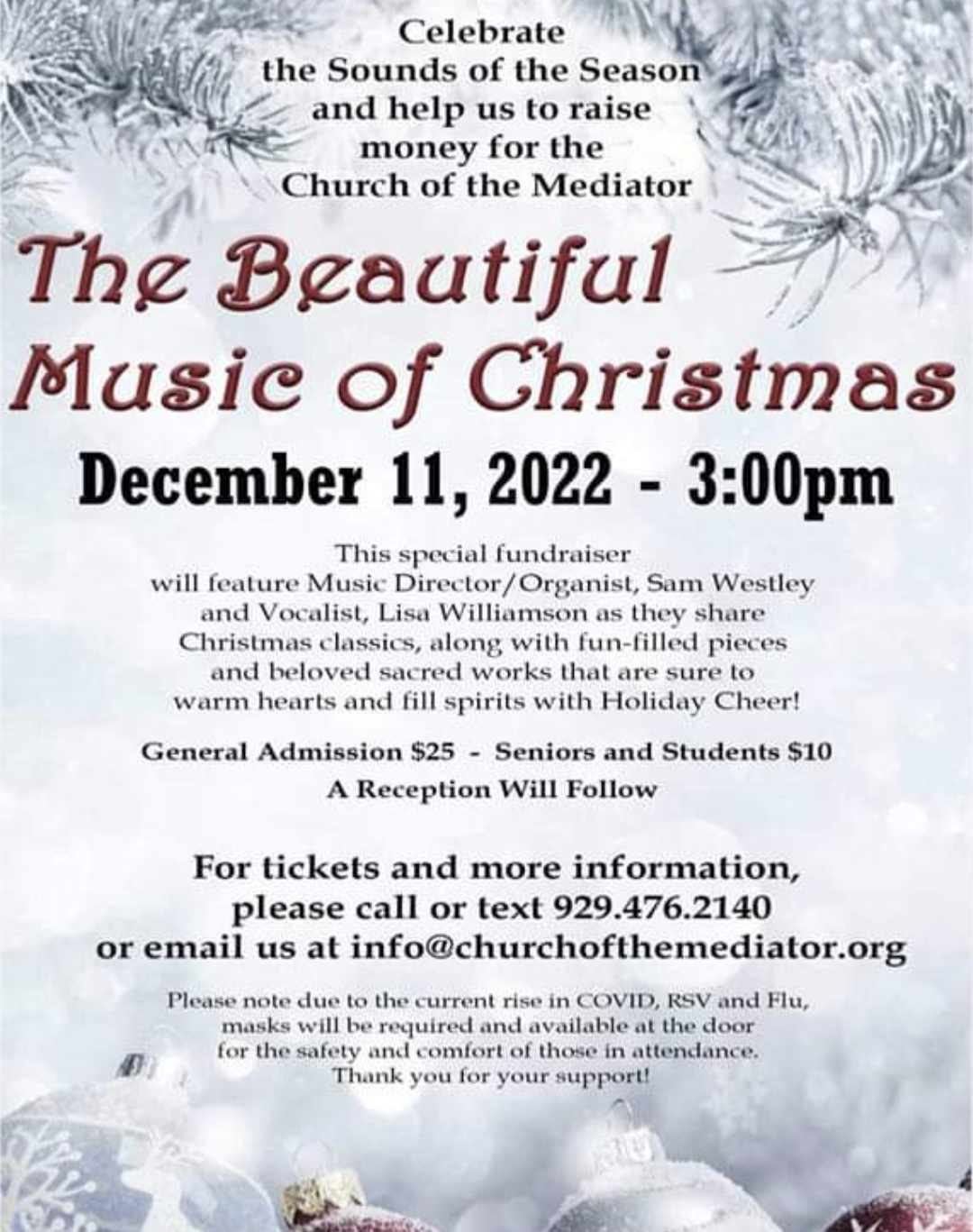
March 5, 2023 at 7:07 pm in reply to: SOLVE THE MYSTERY OF BOOKER T. WASHINGTON AT CHURCH OF THE MEDIATOR #3301The date has been changed to March 31.
Yes Nick, it certainly wouldn’t be a middle class community, for sure.
And this is another reason Spuyten Duyvil is Spuyten Duyvil, and Riverdale is Riverdale. Henry Hudson Park is in the former, and conflating the two is confusing and wrong.
<p style=”text-align: right;”>
 </p>
</p>Is there a Part 2 and 3? I only see 1 and 4.
Thank you.
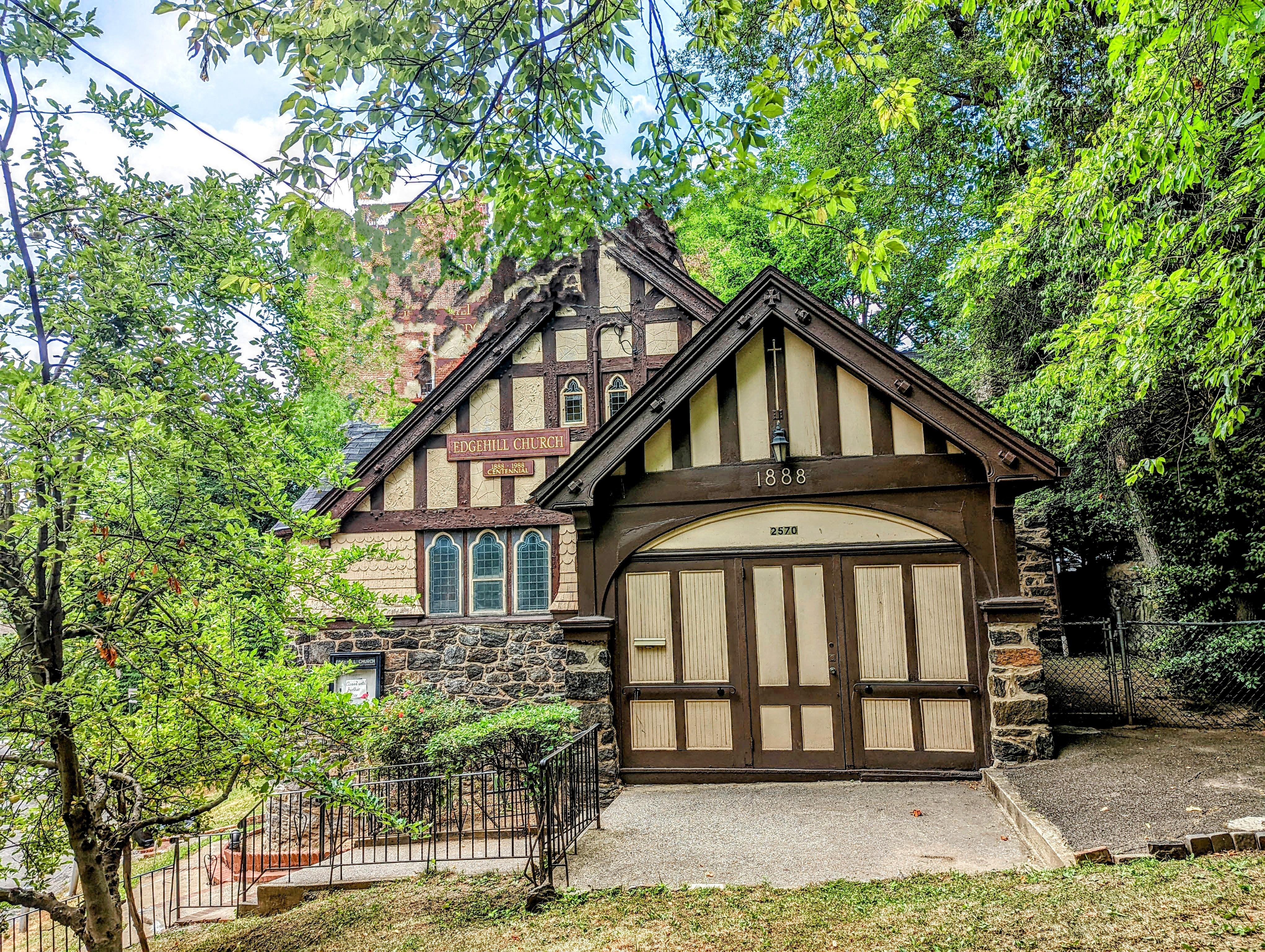
 Apples growing on Edgehill Church in Spuyten Duyvil
 Apples growing on Edgehill Church in Spuyten Duyvil
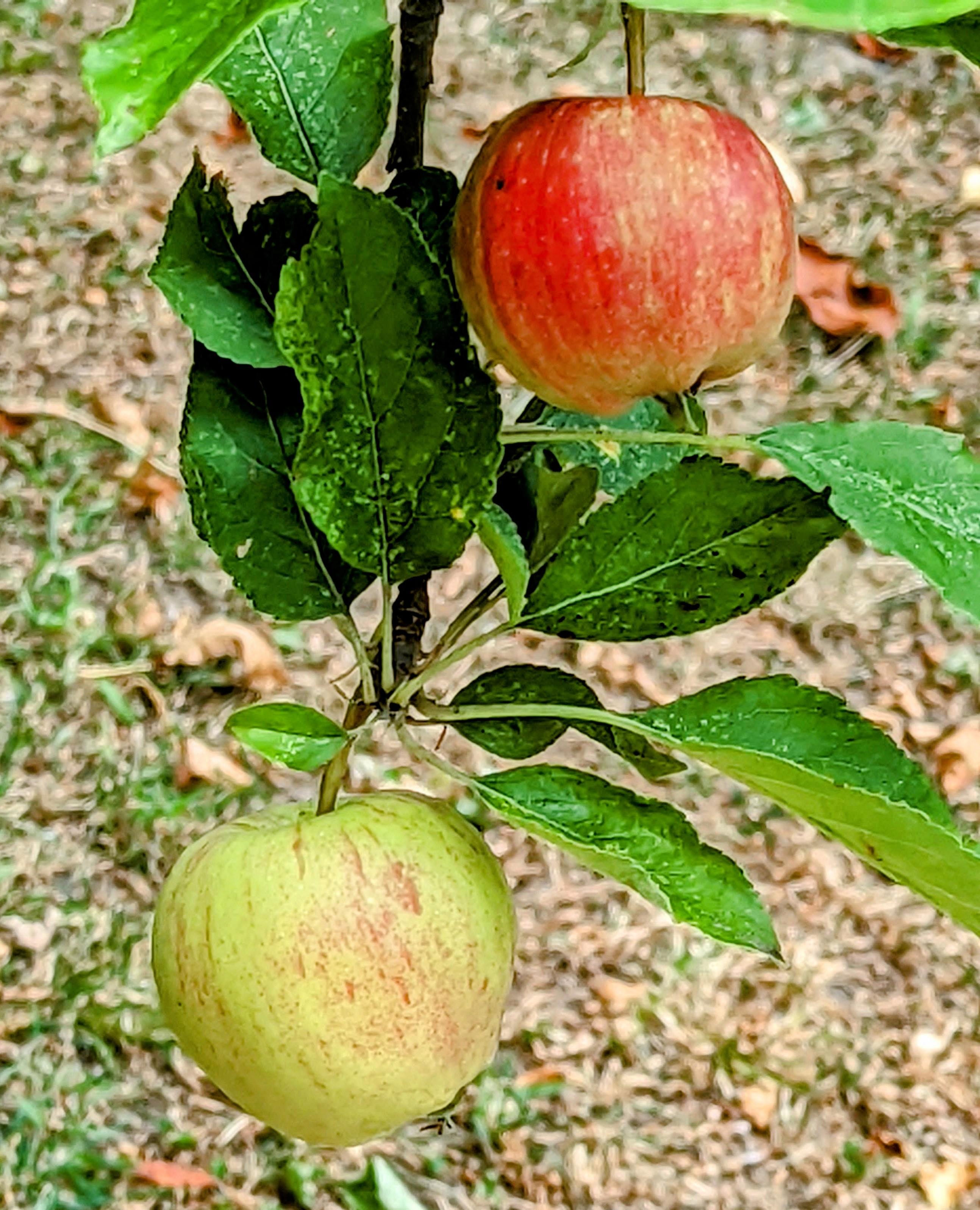 Apples growing on Edgehill Church in Spuyten Duyvil
Nick, there is a new Riverdale Facebook Group specifically for Riverdale Veterans.
https://www.facebook.com/groups/riverdalenyc/permalink/1165090274060381/
I’ve got the fever: gotta figure this out.
That said, I live next door to the “Fieldston Lod_e” (sic), rehab center which has nothing to do with Fieldston and is not a Lodge. So these developers pick these names, sometimes just because they sound fancy.
Garrett, you appear to possibly beright. (although Knolls Crescent is in Spuyten Duyvil)
I wonder if Alexander Calder having lived in Spuyten Duyvil had anything to do with the possible choice of that site?
Thanks so much Tom.
I disagree that this sounds like just a nice old house. From LPC’s 2004 report:
This structure is the former the Delafield Hunting Lodge of the once vast Delafield Estate, which originally encompassed land between the Hudson River and Van Cortlandt Park. It was used as a lodge during hunting excursions in the woodlands, allegedly for hunting wild boar. The Delafield Estate was subdivided in 1934, and the structure now sits within a private residential area known as Ploughman’s Bush.
LPC Statement of Significance:
The Fieldston (Delafield Estate) Building appears to be a rare example in New York City of a 19th-century rural bracketed, board-and-batten estate outbuilding. In 1829, Major Joseph Delafield, president of the Lyceum of Natural History in New York, acquired the 257-acre Hadley farm in (then) Yonkers that spread eastward from the shore of the Hudson River. Delafield named his estate “Fieldston” after his family’s seat in Ireland, and established a profitable lime kiln on the property in 1830. A cottage, named “Fieldston Lodge,” was built in 1849 and as a three-bay, 1-1/2 story Gothic Revival style summer home in the mode of Alexander Jackson Davis and Andrew Jackson Downing. This area, known as Riverdale after 1852, became popular for the estates of wealthy New York families, who acquired large tracts of land here beginning in the late 1820s. These included lawyer William Lewis Morris’ residence (later called Wave Hill), built in 1843-44, and actor Edwin Forrest’s Fonthill, built in 1848-52. The Hudson River Railroad, completed in this vicinity in 1849, provided convenient access to New York City.
For some time prior to Major Delafield’s death in 1875, Fieldston Lodge was in use as the summer cottage of his eldest son, Lewis Livingston Delafield. The father’s will, written in 1867, mentions the the property then contained two cottages, one in use by the father and one in use by the son, as well as outbuildings such as a “stable and coachhouse and laundry.” Lewis Delafield expanded Fieldston Lodge in 1877-78 to five bays and two full stories plus a slate-covered mansard roof, with a wide front verandah. Local builder Samuel L. Berrian executed this addition. The building that is today No. 6 Ploughman’s Bush is similar in style and details to the expanded Fieldston Lodge (which remained until at least the 1950s.) A review of real estate maps, however, demonstrates that the Ploughman’s Bush building may appear as early as 1867.
The eastern portion of the Joseph Delafield Estate was developed by the Delafield family as the community of Fieldston in 1909-23, and the western part of the estate was later subdivided. This outbuilding is the only surviving building remnant of the original Delafield Estate, an estate associated with one of New York City’s, and the Bronx’s leading families. It is also a significant reminder of the era when the Riverdale section of the Bronx was largely a private community of rural, and later, suburban summer estates.
 photo taken this morning
 -
AuthorPosts