Forum Replies Created
-
AuthorPosts
-
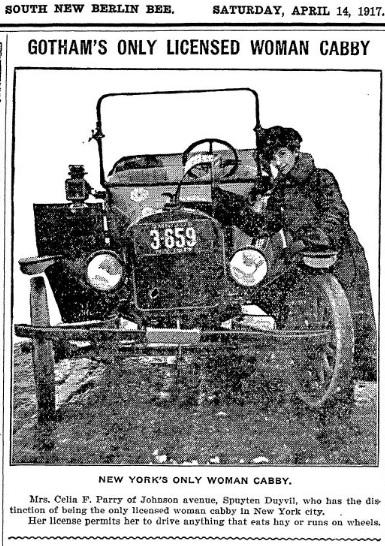
I wonder how the Author, Mary E. Kane’s in “Yesterday in Riverdale and Spuyten Duyvil” knew of this story. The only similar link I could find was a Bronx woman with the same name was divorced from Julius Miert on Oct 30th 1914
 September 26, 2021 at 4:26 pm in reply to: Battle of Kingsbridge Memoirs (Stockbridge Militia Skirmish) McDonald Paper #2185
The Stockbridge Indians had been scouting the area for some time. Back in the previous month, the Stockbridge brigade surprised Lt. Emmerick and almost captured him . The report of this action embarrassed the British and resulted in the Simco plan to Amish the Stockbridge Indians.
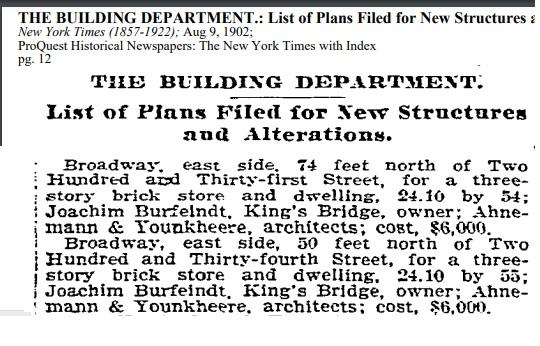
Nice find of the Ad for the Ahnemann and Younkheere firm on Bailey Ave
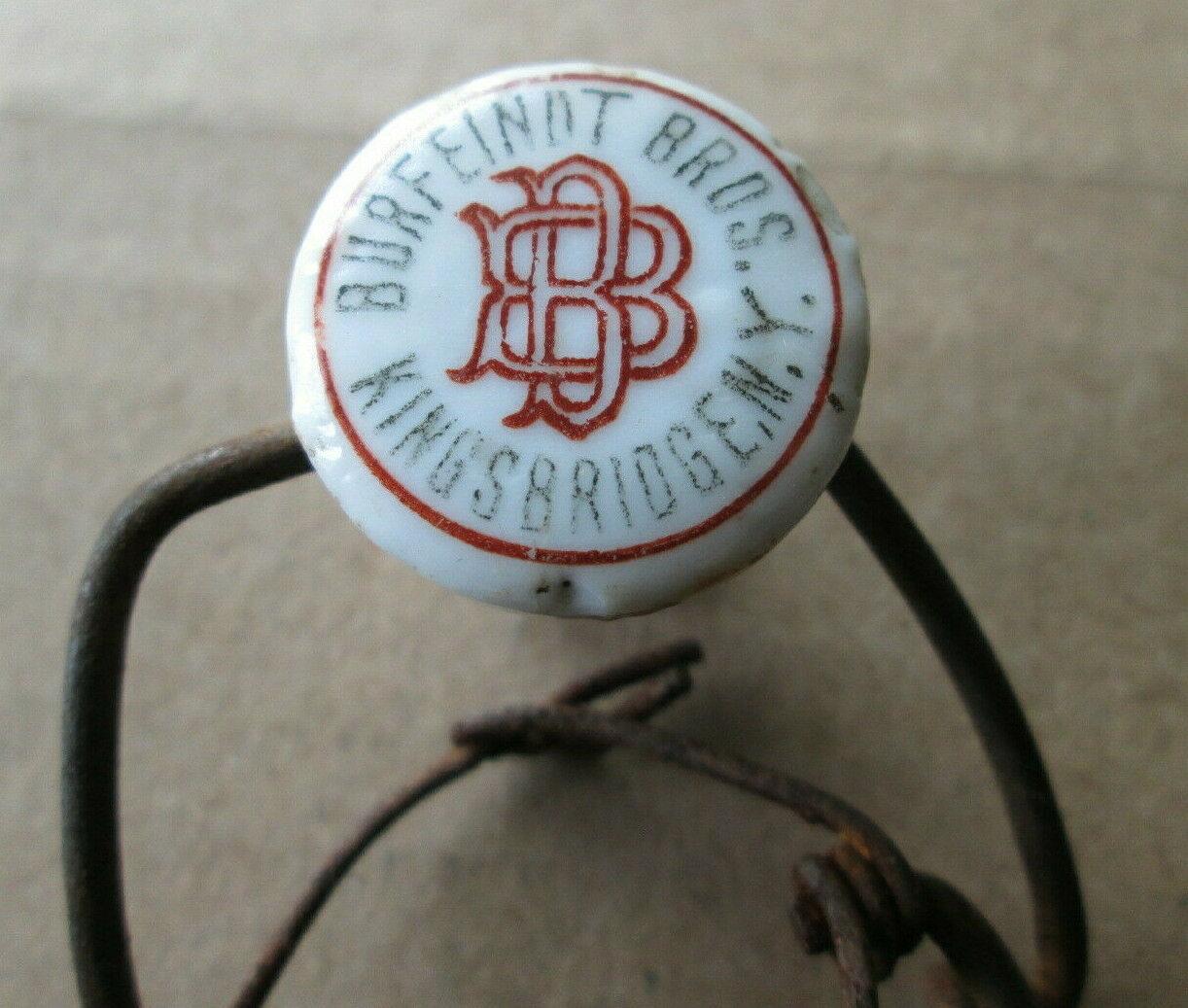
Look what I found ! Burfeindt Brothers Bottle wire bottle stopper
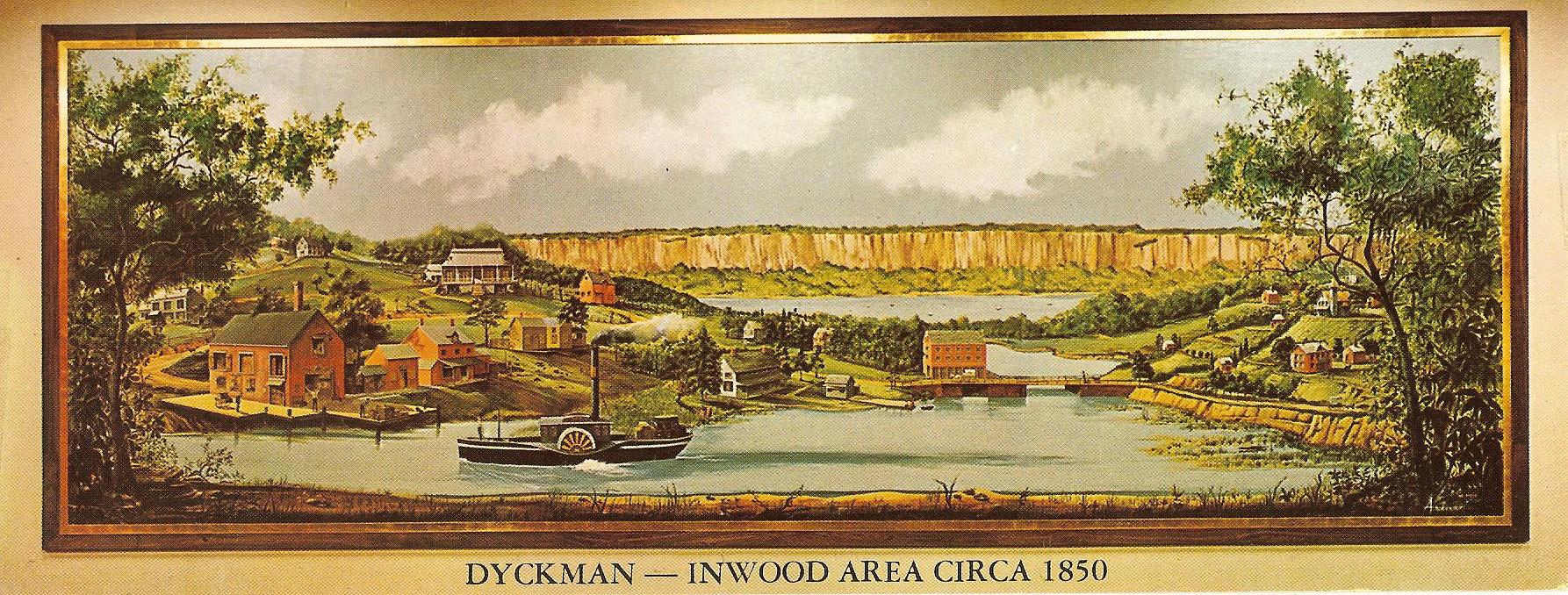
The 1850 mural of Dyckman- Inwood came from a 1990’s flyer from a local bank. I do not have the flyer anymore.
Nick,
Is the Perkins Nichols Mill hidden behind the building on the Kingsbridge, looking west?
 August 24, 2021 at 8:48 pm in reply to: Brooks and Streams Criss-Crossed Riverdale in Days Gone By – Harry Emery #2132
If you explore the woods to the East of the Aqueduct trail, you are still able to find a few springs emptying onto the Mosholu cut-through, the golf course or down a drain.
An interesting story from recent Riverdale history. I wonder if anyone has a photograph
of the restaurant.
July 13, 2021 at 5:26 am in reply to: Grateful Dead, Black Sabbath, Jefferson Airplane, Yes — Gaelic Park in 1971 #2059Aug 02, 1972 Argent / Flash / Blue Oyster Cult
Jul 13, 1972 The Allman Brothers Band / Captain Beyond
Aug 06, 1971 Ten Years After / edgar winters white trash / Looking Glass
I only recall Jefferson Airplane & Hot Tuna
Sorry, I thought U Thant also lived in a house in Fieldston.
Dear Cogginss,
Things get done in NYC when a Councilman puts a bill on the desk of the Mayor. Nobody I am aware of did the same for U Thant. However, I wonder if there is a plaque on the building that he lived in in Riverdale. If not, you should petition or fund raise to get it done. I will give $50
When Raoul Wallenberg Park was recommended, interest in U Thant Park was left on the drawing boards until U Thant Island in Manhattan. The State of New York and dedicated the island on September 16, 1977
Info from Wikipedia :In the 1870s, landscape architect Frederick Law Olmsted envisioned a greenbelt across the Bronx, consisting of parks and parkways that would align with existing geography. However, in 1877, the city declined to act upon his plan. Around the same time, New York Herald editor John Mullaly pushed for the creation of parks in New York City, particularly lauding the Van Cortlandt and Pell families’ properties in the western and eastern Bronx respectively. He formed the New York Park Association in November 1881. There were objections to the system, which would apparently be too far from Manhattan, in addition to precluding development on the parks’ sites. However, newspapers and prominent lobbyists, who supported such a park system, were able to petition the bill into the New York State Senate, and later, the New York State Assembly (the legislature’s lower house). It appears the parkways out of Manhattan and in the Parks of the Bronx have there design based on Olmsted’s work. I am sure there were some issues with condemnation of private & public property. The public opposition came from the building of the The Henry Hudson Bridge. After that, the Henry Hudson Parkway & Mosholu Parkway connecting to the Saw Mill had much less controversy. The Major Deegan caused a “Major” split in Van Cortlandt Park getting traffic out from the Triborough Bridge and too the George Washington. Like the Cross Bronx Expressway, most wished they were tunneled through the Bronx, at least through the Park.
June 30, 2021 at 6:47 am in reply to: Ethical Culture Fieldston Campus and Lincoln’s Collector #2027Bronxologist asks … Spuyten Duyvil Parkway, was it originally a scenic avenue to a park, comparable to Olmsted and Vaux’s Ocean Parkway and Eastern Parkway in Brooklyn? Since Olmsted and Vaux designed many or all of the sweeping roads in Riverdale, against City Hall that wanted the Grid System in the Bronx, it is a small miracle that so many of their street designs are still with us.
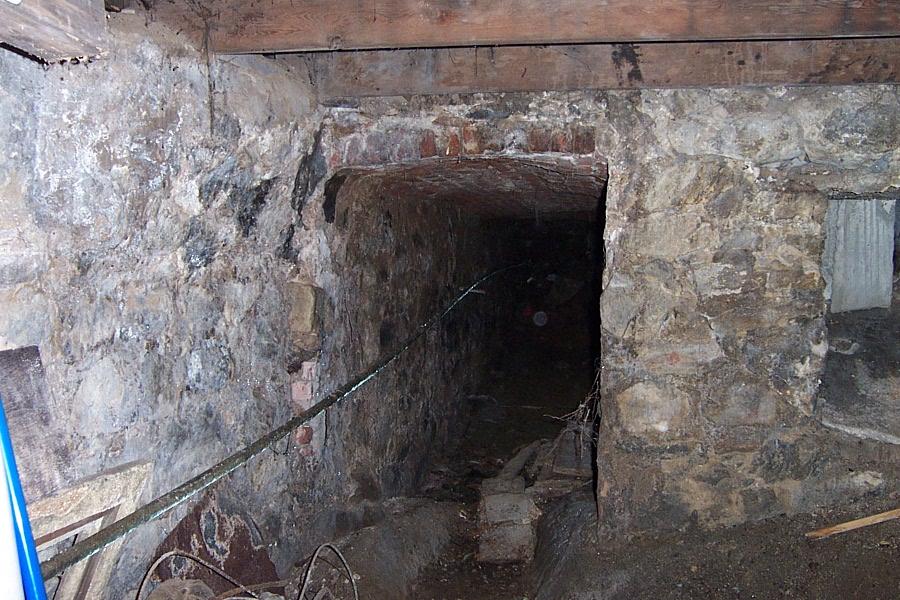
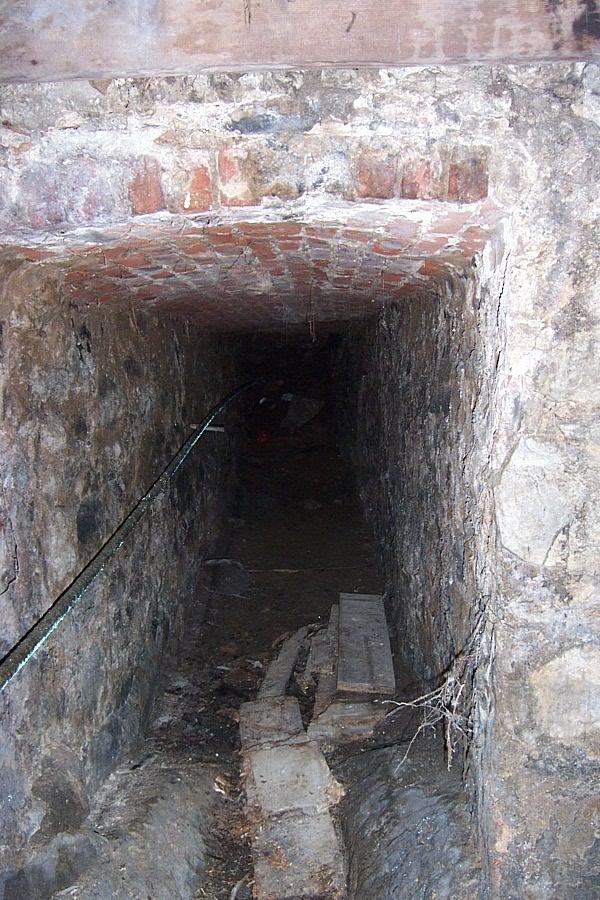
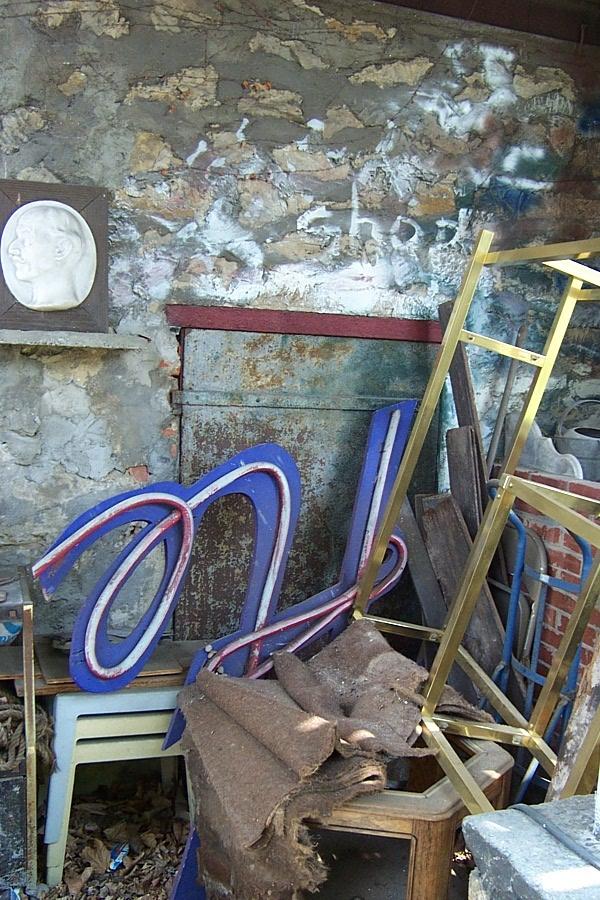
The basement foundation of stones, does not match the exactly the floorplan of the house. It is also a very deep foundation, with a walk out metal door….leading to a flat stone ledge.
Note that only the top was lined with brick…the sides are local stone. I think the brick was added 100 years later.
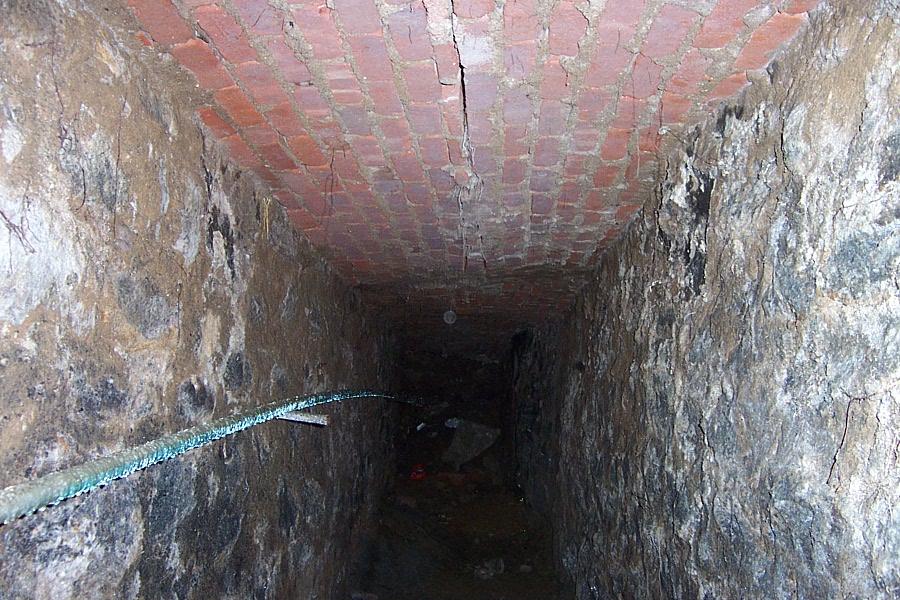
Photo of the actual coal chute next to the Tunnel opening..which is about at the curb line.
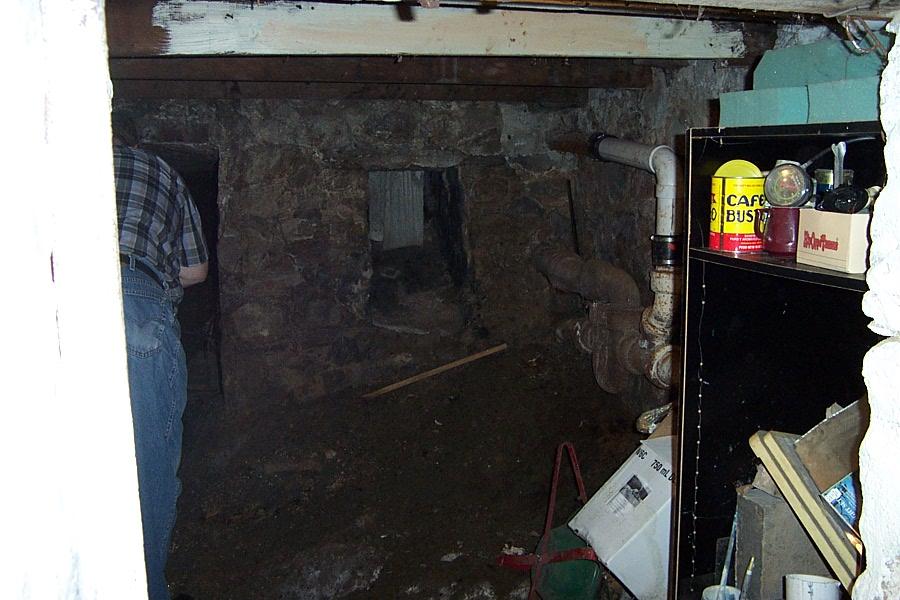
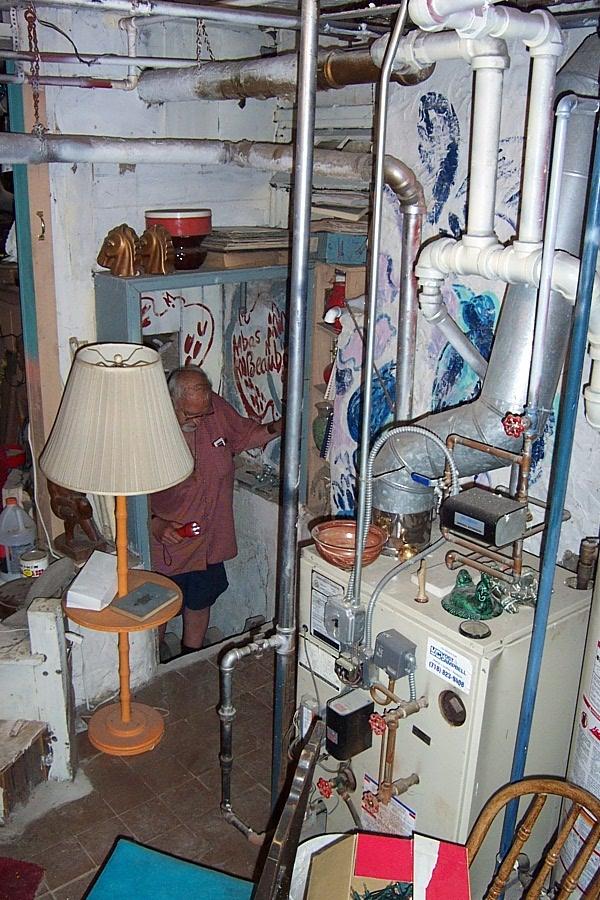
I did get an invite to examine the tunnel from Alfeo Manzi and it is possible the the tunnel was later used to bring in coal. The surrounding foundation seems to predate the houses in the area and the tunnel drops into a lower basement and out to Broadway. with a stone platform, perfect for a small cannon. It was a direct line of fire at the road leading to the Kingsbridge. The bricks lining the tunnel could have been added in the later years 1880’s. we did not pull any off to examine what was underneath. If this was not used in 1776….Gunpowder may have been stored for the quarry. See for yourself in some pictures I took. One has Mr. Manzi
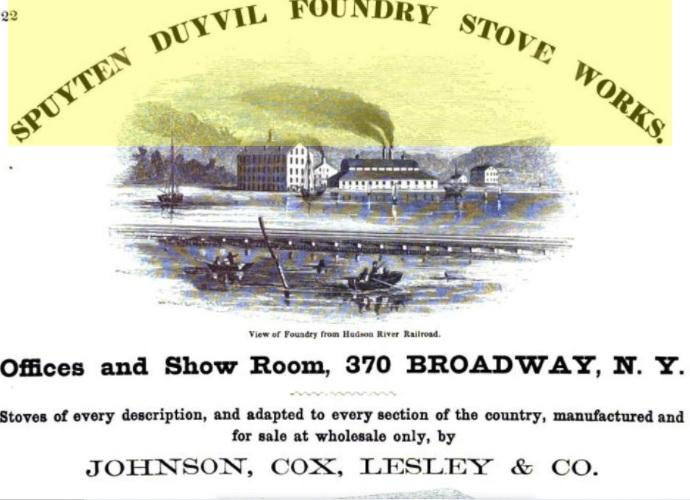
Found this ad with a little color
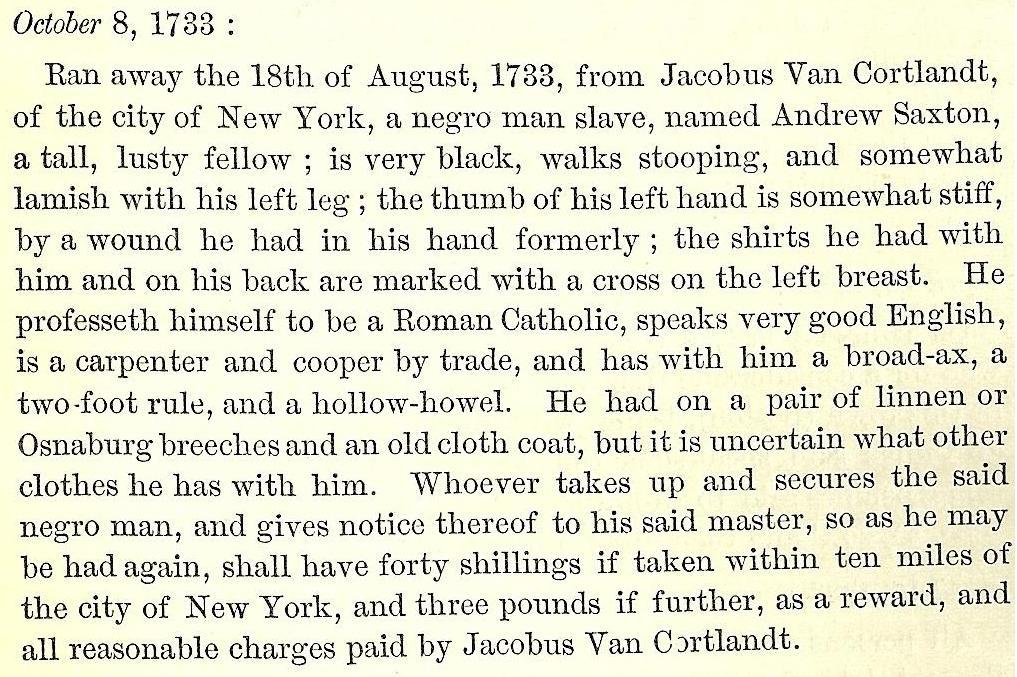
 June 7, 2021 at 5:01 am in reply to: Importance of Local History – the African Burial Ground at Van Cortlandt Park #1991
 -
AuthorPosts